



Identifying a mouse/mice is the first step to effectively controlling an infestation. Understanding what it looks like can help you detect early signs of a problem and take appropriate action. Become more familiar with mice’s physical traits to detect their presence and take proactive measures to keep them at bay. For a more thorough approach, consider enlisting the help of professional mice control services to address any mouse infestation in your home effectively.
What does a common mouse look like?
Correctly identifying the type of rodent you have is essential, and knowing what a mouse looks like is the first step. Mice typically measure about three to four inches long (excluding their tails) and weigh between 0.5 and one ounce. They can have light brown to dark gray and even white fur in some domesticated varieties. Their tails are as long as their bodies, slender, and covered in a light layer of fur, distinguishing them from rats. Additionally, their large ears and proportionately large eyes, crucial for nocturnal vision, are distinctive features that help with mice identification.
Common types of mice found in Uganda
Uganda is home to a diverse range of mouse species, each with its own habitat, behavior, and impact on human activity. However, the three most commonly encountered types are the House Mouse, the Multimammate Mouse, and the African Soft-Furred Mouse. Recognizing what these mice look like is essential for proper identification, as different species may require specific control and prevention methods, especially in homes, farms, and food storage areas.
House Mouse (Mus musculus)

This is the most widespread mouse species in Uganda. Small, grey-brown, and highly adaptable, the house mouse thrives in homes, food stores, and urban areas. It is a common pest, contaminating food and surfaces with droppings and urine, and is capable of transmitting diseases like salmonellosis and leptospirosis.
African Soft-Furred Mouse (Praomys spp.)
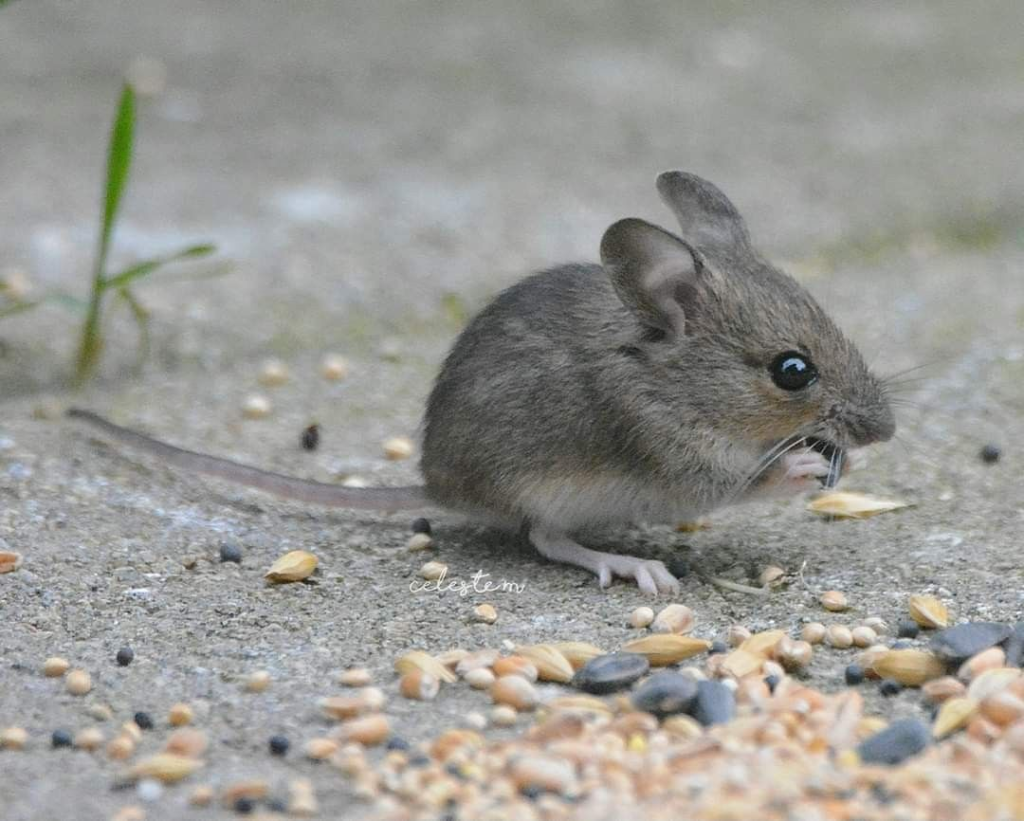
Native to sub-Saharan Africa, this mouse prefers wooded areas and farmlands, though it can enter homes in rural settings. It is recognized by its soft fur and long tail. Some species are known to carry rodent-borne viruses, making them a concern for both wildlife and human health.
Multimammate Mouse (Mastomys natalensis)

One of the most common field mice, especially around agricultural lands and grasslands. This species is larger than the house mouse and breeds rapidly. It is a notorious pest in crop fields and is also a known reservoir for Lassa fever, though human cases are rare in Uganda.
Striped Grass Mouse (Lemniscomys striatus)

Identifiable by the distinct stripes running along its back, this mouse inhabits savannas and grasslands, but may venture into homes near the wild. Though not a major urban pest, it can affect food security in rural homesteads by damaging stored grains.
Identifying mice by their behavior
Mice, primarily nocturnal beings, exhibit heightened activity during the night as they search for food and materials for their nests. These nests are made from various materials, including paper, insulation, and fabrics, and are situated in hidden areas to evade predators. Common hiding spots within homes include walls, attics, storage boxes, and spaces underneath appliances or furniture. Mice prefer to eat seeds and grains but are opportunistic feeders, consuming nearly any available food. Some common signs of mice include droppings, the sounds of scurrying or gnawing during the night, chew marks, or the musky scent of their urine.
How to tell the difference between mice vs. rats
Telling the difference between mice and rats is crucial for effective rodent control. While both are rodents, they exhibit distinct physical characteristics. Knowing what a mouse looks like compared to a rat can help you identify the pest you’re dealing with. Mice are smaller, with larger ears, pointed snouts, and slender bodies. Rats, on the other hand, have larger bodies, shorter tails, and blunter noses. Rats also have larger feet than mice, which is especially obvious in juveniles. Rat droppings are also larger and more concentrated, while mouse droppings are smaller and scattered. Accurate mice identification is essential for selecting the appropriate control methods.

What to do if you spot a mouse in your house
If you’ve spotted a mouse in your home, it’s a strong indication of an existing infestation, as these creatures can reproduce rapidly, making early intervention crucial. To tackle this issue, start with a thorough cleanup, particularly in the kitchen, and seal any potential entryways to stop further invasions. However, contacting pest control professionals like Vector Shield is highly recommended due to the health risks associated with rodent infestations. Get started with Vector Shield mice control services today by scheduling an inspection!